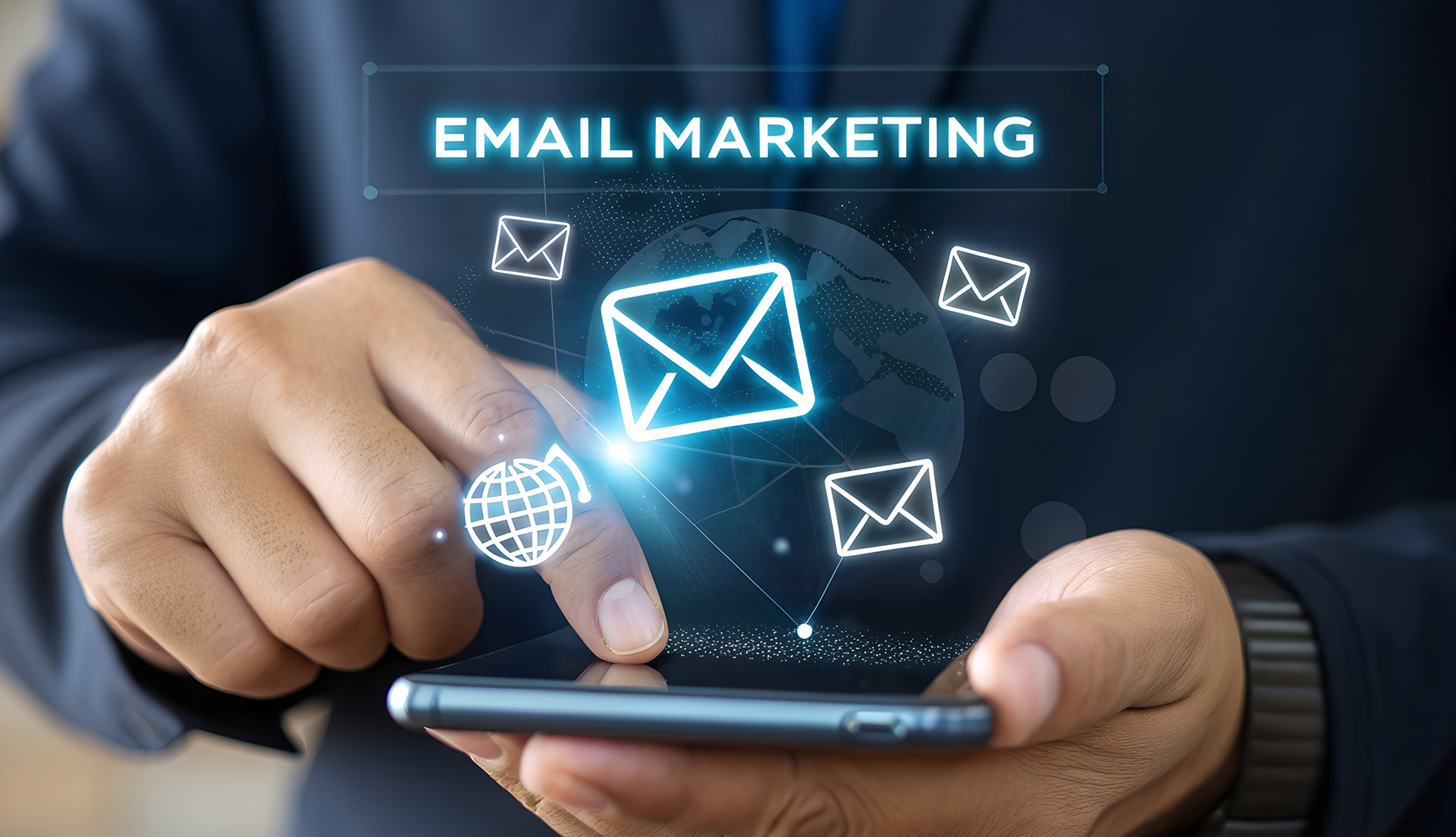
Email marketing remains one of the most reliable growth channels in ecommerce. Unlike paid advertising or social platforms, your email list is an audience you own. When used well, it strengthens customer relationships, increases repeat purchases, and builds long-term revenue stability.
However, sending occasional campaigns is not the same as having a strategy. A structured approach is what turns email marketing from a communication tool into a repeat sales engine.
This blog outlines what good looks like when building an email strategy designed to drive retention and sustainable growth.
Why Repeat Sales Matter with Email Marketing
For most ecommerce businesses, the first purchase is only the beginning. Long-term profitability often depends on customers returning again and again.
Acquiring new customers can be costly. Encouraging previous customers to buy again is typically more efficient and more predictable. Email provides a direct way to stay visible after the first transaction and guide customers back to your store.
A clear email marketing strategy ensures that communication continues beyond order confirmation and delivery updates. It allows you to influence the second, third, and fourth purchase.
Start With the Customer Journey
Strong email marketing begins with mapping the customer journey.
Rather than thinking in isolated campaigns, consider how communication should unfold over time. For example:
- What does a subscriber receive in their first seven days?
- What happens after a first purchase?
- How do you reconnect with customers after a period of inactivity?
Mapping this journey in advance creates structure. It ensures that customers are not left without adequate communication after their first interaction with your brand.
This does not require complexity. Even a simple welcome sequence followed by a planned follow-up campaign can create momentum.
Segment for Relevance
Relevance is one of the biggest drivers of email marketing performance.
Sending the same message to your entire database may be easier, but it is rarely the most effective approach. Organising your audience into clear groups allows you to tailor messaging more effectively.
Common segmentation examples include:
- New customers and returning customers
- Frequent buyers and occasional shoppers
- Active subscribers and those who have not engaged recently
By targeting these groups separately, you can adjust tone, offers, and content to better reflect their relationship with your brand.
Segmentation does not need to be overly complicated. The goal is clarity. Even basic grouping can improve engagement and conversion rates.
Use Sequenced Campaigns for Consistency
One of the biggest challenges in ecommerce is consistency. When time is limited, marketing activity can become reactive.
Sequenced campaigns help solve this. Instead of creating emails one at a time, you plan a series in advance. This might include:
- A welcome series for new subscribers
- A post-purchase follow-up
- A reminder campaign scheduled several weeks after an order
Sequenced campaigns create continuity. They ensure that communication happens even when you are focused on operations, fulfilment, or product sourcing.
Over time, this consistency builds familiarity and trust. Customers are more likely to return to brands that remain visible and relevant.
Review Performance and Refine
A strategy should evolve over time.
Email marketing provides valuable data. Open rates, click-through rates, and campaign performance metrics offer insight into what resonates with your audience.
Regular reviews allow you to:
- Identify which subject lines generate engagement
- Understand which content drives clicks
- Refine messaging based on performance
Small improvements made consistently can have a significant impact across hundreds or thousands of subscribers.
The aim is not perfection from the first campaign. It is steady optimisation.
Balance Promotional and Value-Led Content
Driving repeat sales does not mean sending constant discounts.
A balanced email marketing strategy includes:
- Product highlights
- Educational content
- Brand storytelling
- Customer reviews
- Limited promotional campaigns
When every email is a sale, engagement can decline. Mixing value-led content with promotional messages keeps your brand interesting and credible.
Customers who feel informed and connected are more likely to buy again than those who feel pressured.
Grow and Maintain a Healthy List
An effective strategy also considers list growth and hygiene.
Encouraging sign-ups across your website increases future revenue opportunities. Clear incentives, visible signup forms, and simple opt-in processes all support steady growth.
At the same time, managing unsubscribes and monitoring engagement helps maintain list quality. Sending campaigns to engaged subscribers protects deliverability and keeps reporting meaningful.
Email works best when your list is both growing and actively engaged.
Align Email With Broader Business Goals
Email should not operate in isolation.
Consider how it supports wider objectives such as:
- Increasing average order value
- Promoting seasonal collections
- Supporting product launches
- Encouraging subscription sign-ups
When email campaigns align with commercial priorities, they become a strategic asset rather than an afterthought.
This alignment ensures that every campaign contributes to measurable business outcomes.
Turning Strategy Into Action
Building an email strategy that drives repeat sales is not about complexity. It is about structure, relevance, and consistency.
What good looks like:
- A mapped customer journey
- Clear audience segmentation
- Sequenced campaigns planned in advance
- Regular performance reviews
- Balanced content
- Ongoing list growth
These elements can be managed internally using structured tools and reporting. For businesses that want additional support, working with ecommerce specialists can help refine campaigns, identify opportunities, and implement a performance-led approach.
Email marketing remains one of the most controllable and cost-effective growth channels available to ecommerce stores. When treated strategically, it becomes more than communication. It becomes a dependable driver of repeat revenue.
If you are looking to strengthen your email strategy and turn your customer list into a long-term growth channel, EKM can help you plan, structure, and optimise campaigns aligned with your store’s goals. Request a callback to explore your options.