Running promotions is one of the most effective ways to increase sales in your online shop. But too many shop owners make the mistake of running promotions reactively -when sales are slow – or without a clear plan. The most successful online shops approach promotions strategically, timing them around the year, understanding their purpose, and making sure customers actually see them.
Promotions are more than just discounts. They can help increase order value, clear stock, encourage repeat purchases, or drive customers to act quickly. The key is to use the right type of promotion at the right time, for the right reason. In this guide, we’ll explore when promotions work best, the types of promotions you might run, and the situations where it’s better to hold back.
Best Times of Year to Run Promotions
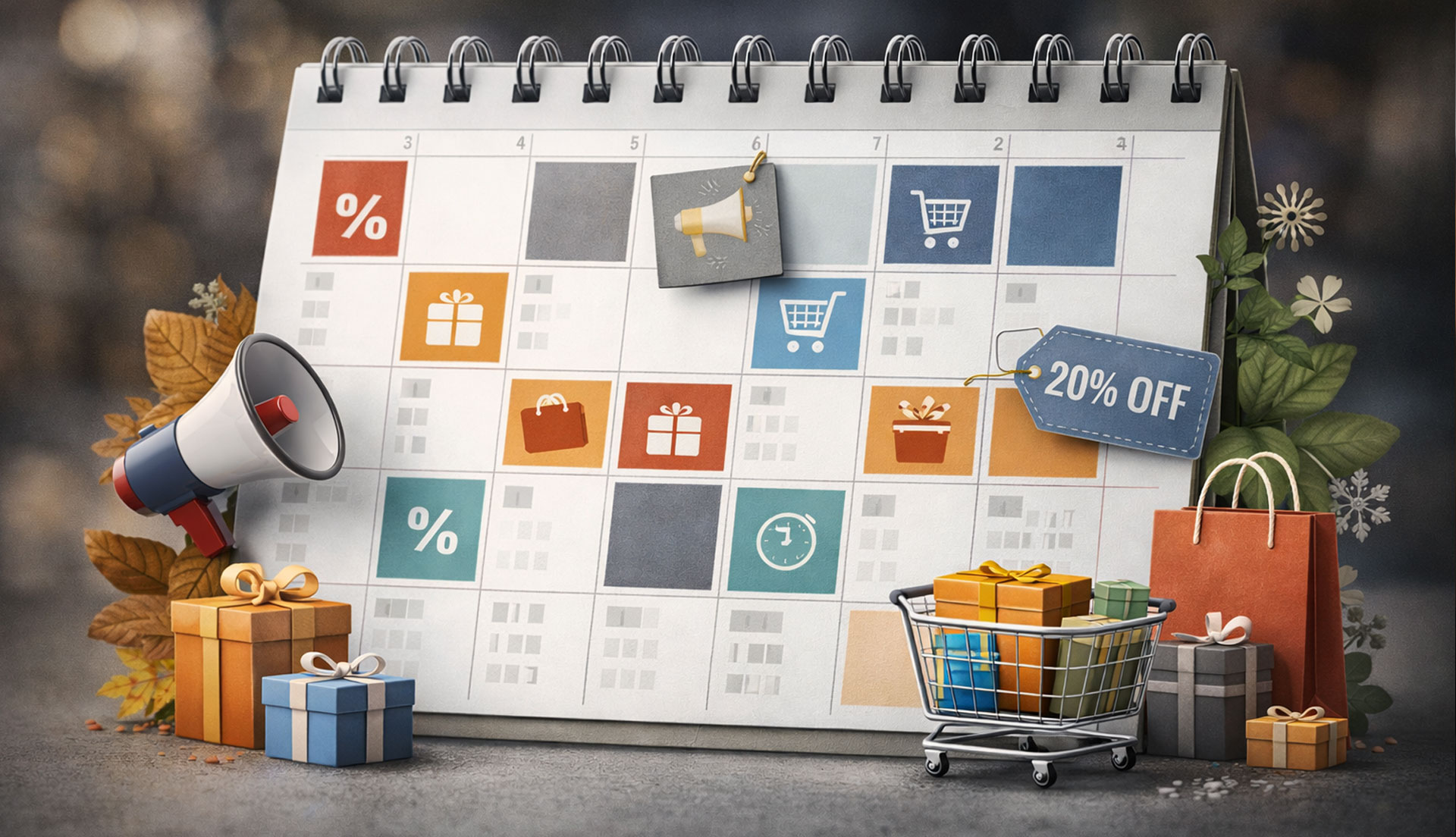
Timing is everything when it comes to promotions. Certain periods of the year naturally lend themselves to increased consumer spending, while others are quieter and benefit from a well-planned offer. Understanding the retail calendar can help you get the most from your promotions.
January is traditionally a clearance period. Many shops use this time to move seasonal or excess stock from the previous year. Customers are actively searching for deals after the holidays, so well-timed discounts or bundles can generate significant sales.
Spring is often an opportunity for seasonal promotions around events such as Easter or Mother’s Day. Shoppers are looking for gifts or products suited to the season, and targeted offers can encourage them to buy sooner or in greater quantities.
Early summer can be quieter for many industries, making it a good time to run campaigns that generate extra demand. Multi-buy promotions or product bundles work particularly well here, as they encourage customers to spend a little more per order.
Late summer is often used to clear stock from summer collections, freeing up space for autumn lines. Promotions focused on older inventory can help refresh your shop while still generating revenue.
Back to school and September are important for shops that sell products related to education, office supplies, clothing, or lifestyle items. Promotions around these events can catch customers at the right moment.
Black Friday and Cyber Monday in November have become some of the busiest retail periods of the year. Even if your shop isn’t focused on tech or fashion, these dates are now widely recognised by consumers, making them a great opportunity for time-limited promotions.
December is less about large discounts and more about urgency. Customers need to know when they can place an order to receive it in time for Christmas. Promotions that highlight delivery deadlines or special offers for last-minute shoppers are effective here.
Boxing Day and late December often see a return to traditional sales periods, with customers looking for deals after the holidays. Clearance promotions or post-Christmas offers can help close the year strongly.
By planning promotions around these key points in the year, your shop can generate revenue when it matters most and avoid running discounts randomly.
Different Types of Promotions and When to Use Them
Not all promotions are created equal, and understanding the different types can help you choose the right campaign for your shop and your goals.
Some promotions are designed to encourage customers to purchase more at the same time. These include bulk discounts, where customers save when they buy multiple quantities of the same item, and product bundles, where related items are grouped together at a better price. Promotions like these are often used to increase average order value and are particularly effective for shops selling items that customers are likely to buy more than one of, or products that naturally complement each other.
Other promotions are designed to encourage customers to act quickly. Limited-time offers, short-term discounts, and promotional codes create a sense of urgency, giving customers a reason to make a purchase now rather than waiting. These types of promotions are especially effective during busy retail events or when you want to clear seasonal stock quickly.
Some promotions are geared towards repeat purchases and customer loyalty. Features like points or loyalty rewards, along with offers targeted at returning customers, can help build long-term relationships and encourage repeat orders.
Most online shops find that the best results come from running a mix of promotion types throughout the year. Some offers should focus on increasing order value, some should generate orders during quieter periods, and others should help clear stock. The key is to choose the type of promotion that aligns with your goals for that moment in your business.
When NOT to Run Promotions
It’s equally important to know when promotions are not a good idea. Running the wrong type of promotion – or running them too often – can harm your margins, devalue your products, and train customers to wait for discounts.
Don’t run promotions constantly. Customers may start to expect discounts and wait to buy only when there’s a sale, reducing your profits and undermining your brand.
Don’t discount your best-selling products unnecessarily. Items that already sell well at full price often don’t need a promotion. Discounting them can reduce profit without significantly increasing sales.
Don’t run a promotion without a clear goal. Every promotion should serve a purpose, whether that’s increasing order value, generating new customers, clearing stock, or encouraging repeat purchases.
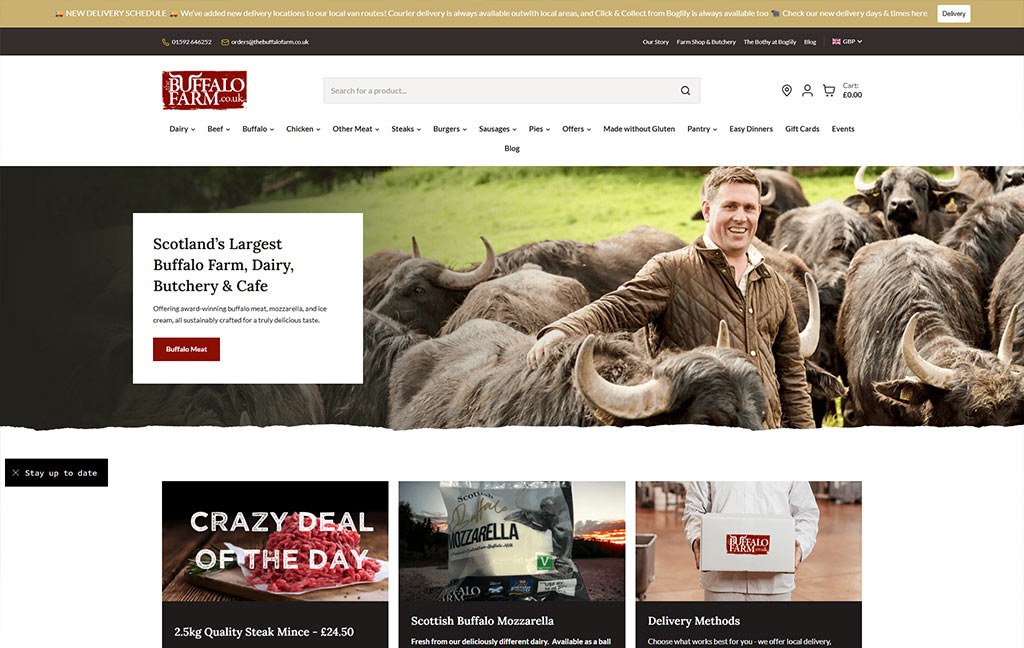
Don’t run a offer without promoting it. Even the best offer won’t sell if customers don’t see it multiple times as they browse your shop.
Don’t make the offer too complicated. If customers cannot understand the promotion in a few seconds, they are unlikely to use it. Simple, clear promotions are almost always more effective.
By avoiding these mistakes, you can protect your margins and ensure that promotions genuinely contribute to your business growth.
What a Promotion Should Be Trying to Achieve
Every promotion should have a goal beyond simply offering a discount. Common objectives include:
- Increasing revenue during quiet periods
- Increasing average order value
- Clearing seasonal or slow-moving stock
- Launching new products
- Encouraging repeat purchases
- Attracting first-time customers
- Growing your email subscriber list
- Competing during major retail events
By clearly defining the purpose of each promotion, you can choose the type of offer, the timing, and the way you present it to customers. Promotions are most effective when they are purposeful and strategic.
Why Visibility Matters More Than the Discount
Even the best promotion won’t succeed if customers don’t notice it. Visibility is key. Customers often need to see an offer multiple times before deciding to act, so it’s important to make sure promotions appear in multiple locations across your shop.
Whether it’s featured on the homepage, highlighted on product pages, mentioned in email campaigns, or shared on social media, repeated exposure helps ensure that your promotion has the desired impact. Promotions that are visible throughout the customer journey tend to generate higher conversion rates than those that are seen only once.
A Simple Promotion Plan for the Year
Many online shops find it effective to plan a small number of key offers across the year rather than running discounts constantly. A simple approach might include:
- January: Clearance sale to clear seasonal stock
- March/April: Spring promotion for seasonal products or events
- July/August: Summer sale or inventory refresh
- November: Black Friday offer
- December: Boxing Day sale
Between these larger promotions, smaller targeted offers such as multi-buy discounts, product bundles, or temporary percentage-off deals can help maintain engagement and encourage repeat purchases.
Planning your promotions in advance gives you time to promote them effectively, coordinate marketing efforts, and set clear goals for each campaign.
Conclusion – Promotions Are a Tool, Not a Strategy
Promotions are a powerful tool for online shops, but they are not a substitute for a well-thought-out strategy. The most successful shops run promotions with purpose, at the right time, and make sure customers see them throughout their shopping journey. By planning your promotions, using the right type for the right goal, and avoiding common mistakes, you can increase sales, boost average order value, and encourage repeat purchases – all without relying on constant discounts.
The right promotions, run at the right time and for the right reason, can help your shop grow in a sustainable way and give your customers a reason to keep coming back.
If you need any help setting up offers on your shop, using any of the built-in features, or if you have suggestions for features you’d like to see in the future, our EKM team is always happy to help.