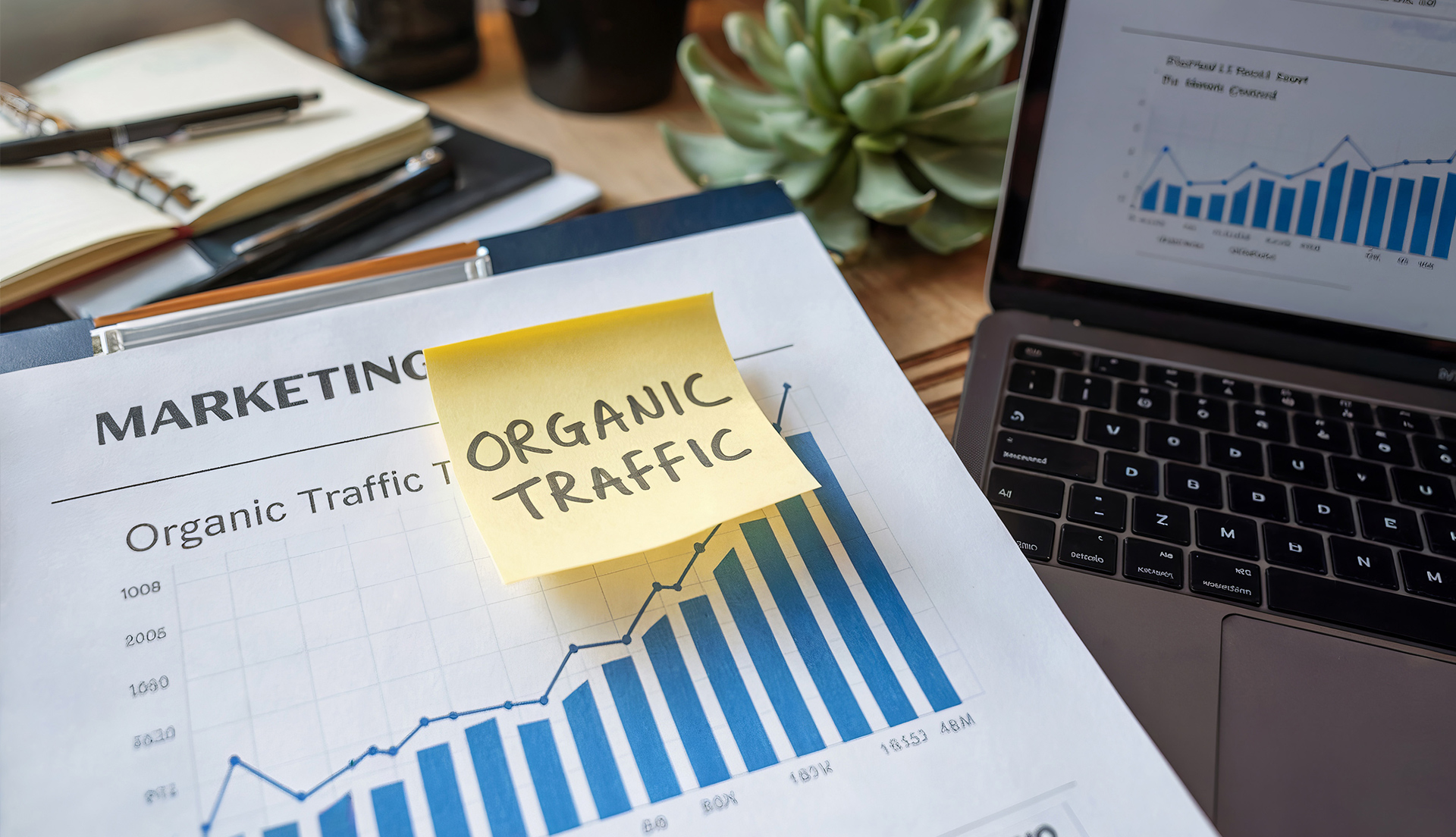

Traffic is great, but turning visits into paying customers is what really matters. Many eCommerce store owners struggle to convert their SEO traffic because of common mistakes that are easy to avoid. Small errors in your content, site structure, or product pages can significantly limit your store’s performance.
By focusing on a few key areas, you can improve search rankings, attract more customers, and increase conversions. These actionable strategies are designed to help you get more from the traffic you already have and ensure your SEO efforts pay off.
Avoid Duplicate Content
Copying supplier descriptions may seem like a quick solution, but it can harm your rankings and reduce customer trust. Google looks for unique content that provides value, and duplicated content from other sites can make your pages harder to rank. Writing product descriptions that highlight what makes each product different gives shoppers a reason to choose your store and helps search engines understand your offerings better.
Tip: Even short, engaging descriptions outperform long blocks of copied text. Include style tips, usage examples, or benefits. For instance, instead of “Leather handbag,” try: “Red leather handbag crafted from genuine Italian leather, featuring multiple compartments for easy organisation and a detachable shoulder strap for versatility.” This not only improves SEO but gives your customers useful information.
Simplify Your Site Structure
A confusing menu, unclear categories, or hidden pages frustrates shoppers and makes it harder for search engines to crawl your site. A clear structure allows Google to index your pages properly and ensures customers can find products quickly.
Pro Tip: Keep category labels simple and consistent. For example, use “Women’s Boots” instead of “Footwear for Ladies.” Make sure every page is accessible within two to three clicks from the homepage. Consider adding breadcrumb navigation to help visitors understand where they are and allow Google to see the hierarchy of your site.
Additional Benefit: A clean structure also helps internal linking, which spreads authority across your site and boosts the chances of individual products ranking in search results.
Use Content and Reviews to Boost SEO and Conversions
Fresh content shows search engines that your site is active, which can positively affect rankings. Blog posts, buying guides, product updates, and other informative content can attract new visitors and help customers make informed decisions.
Customer reviews add another layer of value. They provide social proof, create unique content automatically, and signal to Google that your pages are frequently updated.
Quick Stat: Research from Bazaarvoice shows that shoppers who engage with customer reviews are up to 144% more likely to convert.
Tip: Encourage reviews as soon as products launch. Highlight top reviews on product pages to build trust, answer common questions, and guide purchase decisions. Even a few detailed reviews can make a significant difference in both SEO performance and customer confidence.
Make Product Information Clear
Shoppers need to quickly understand your offering. Clearly display prices, stock levels, shipping information, and return policies. Ambiguous or hidden details can cause visitors to leave without buying.
Extra Advice: Include delivery estimates, sizing charts, or product demos if relevant. The more clearly your pages answer shopper questions, the higher your chances of conversion and the lower your bounce rates—both of which can indirectly improve SEO.
Monitor and Improve to Stay Competitive
SEO is not a “set and forget” task. Track page performance, see which content brings the most traffic, and test small improvements regularly. Even minor changes, like tweaking titles, updating descriptions, or adding internal links, can significantly affect rankings and conversions over time.
Pro Tip: Use analytics tools to identify pages with high traffic but low conversions. These are prime opportunities to improve content, calls-to-action, or page layout.
Next Steps:
- Audit your product and category pages for unique, high-quality content.
- Review your site structure and internal linking to make it intuitive for shoppers and search engines.
- Encourage customer reviews and create fresh content regularly to keep pages active.
- Consider getting professional support to optimise your SEO efforts and accelerate results.
Get in touch to see how our team can help optimise your product pages, category pages, and overall site structure to improve rankings, attract more visitors, and increase sales.